
The dream to (study and work abroad) has become a reality for thousands of students and young professionals who want to build successful global careers. Today, international education isn’t just about earning a degree—it’s about gaining exposure, professional experience, cultural understanding, and long-term (overseas opportunities). Whether you plan to study in the USA, Canada, the UK, Germany, Australia, or Europe, combining education and work experience abroad is a life-changing opportunity that shapes your future.
Why Choose to Study and Work Abroad?
Choosing to (study and work abroad) means more than getting admission to a university; it’s a smart career strategy. Students gain international exposure, earn while studying, and build a global network that opens the door to promising careers. With the right guidance, you can also explore (student jobs abroad) that help cover living expenses while gaining real-world experience.
Benefits of Studying and Working Abroad
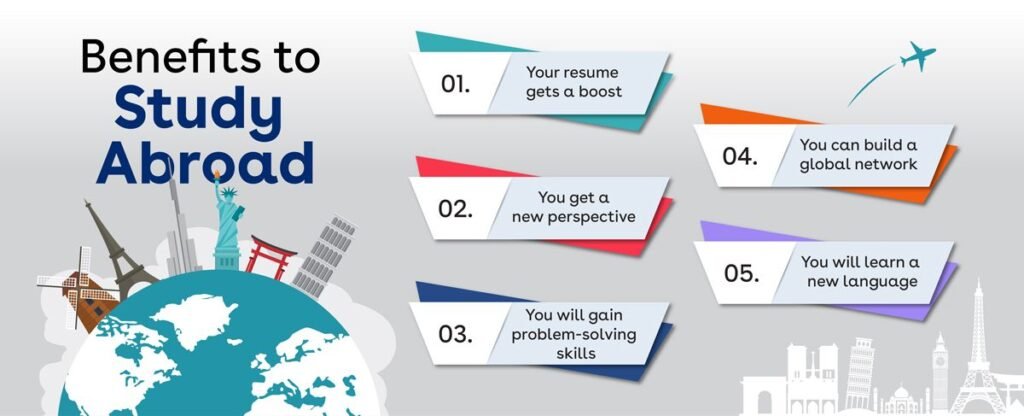
1. International Degree with Career Advantage
An international qualification is recognized and respected worldwide. Employers value candidates with international education and cross-cultural competence, giving you an edge in job markets globally.
2. Earn While You Study
Many countries offer (work study abroad) programs, allowing international students to work part-time during their studies and full-time during vacation breaks. This helps manage living costs and gain valuable work experience.
3. Global Employment Opportunities
Studying in another country exposes you to multinational companies and industries. After graduation, students can apply for (abroad opportunities) such as post-study work visas, internships, or skilled worker programs.
4. Personal Growth and Independence
Living independently in a new country helps you grow in confidence, decision-making, and adaptability. You learn new skills and become more globally aware.
5. Permanent Residency Pathways
Countries like Canada, Germany, Australia, and New Zealand offer pathways to permanent residency for international students with work experience. (Overseas opportunities) can lead to long-term settlement options.
Popular Countries to Study and Work Abroad
| Country | Popular Programs | Work Opportunities |
| Canada | IT, Business, Nursing | Student work permits & PGWP jobs |
| UK | Engineering, Finance, Healthcare | Graduate Route jobs |
| Germany | Engineering, Data Science | Free education + high-demand jobs |
| Australia | Business, IT, Hospitality | Part-time jobs for students |
| USA | STEM, MBA, Artificial Intelligence | CPT/OPT work options |
| Ireland | Cybersecurity, Pharma | Two-year post-study work visa |
These destinations offer flexible (student jobs abroad) while studying, making them top choices for international students.
Types of Student Jobs Abroad
Students can legally work part-time while studying, depending on their visa regulations. Some common (student jobs abroad) include:
- Retail and customer service
- Administrative or office assistant
- Campus jobs – library, IT support, student services
- Hospitality – cafés, hotels, restaurants
- Internship roles related to your field
- Freelance online jobs – writing, digital marketing, tutoring
These part-time job options allow students to earn income, gain experience, and balance their academic schedule.
Study and Work Abroad Eligibility Criteria
To apply for a (study and work abroad) program, students generally need:
- Valid passport
- Proof of academic qualifications (10th, 12th, degree)
- Proof of English proficiency (IELTS, PTE, TOEFL – where required)
- Offer letter from a recognized international university
- Proof of funds & tuition payment
- Student visa approval
- Health insurance (in some countries)
Additional requirements may apply depending on your chosen country and program.
Study and Work Abroad – Step-by-Step Process
Step 1: Shortlist Country and Course
Define your academic goals and career path. Choose a course that matches your interests and global job demand.
Step 2: University Selection & Application
Apply to universities with high education standards, scholarship options, and (work study abroad) benefits.
Step 3: Appear for Language Tests
Many universities accept IELTS, PTE, or TOEFL. Germany may require German proficiency for certain programs.
Step 4: Receive Offer Letter
Once accepted, you’ll receive a conditional or unconditional offer letter.
Step 5: Apply for Student Visa
Submit financial documents, university letter, and other visa requirements.
Step 6: Travel & Begin Studies
Start exploring (student jobs abroad) after arrival and connect with career services on campus.
Scholarships for Study and Work Abroad Programs
Many international students secure scholarships that make education affordable. Some popular scholarship options:
- Chevening Scholarships (UK)
- DAAD Scholarships (Germany)
- Australia Awards
- Erasmus+ (Europe)
- Fulbright Program (USA)
- Canada Provincial Scholarships
- Ireland Government Scholarships
Scholarships reduce tuition fees and living expenses, making your overseas education journey easier.
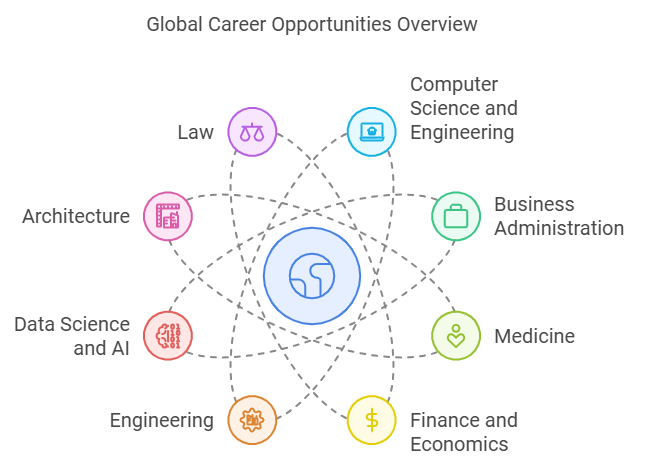
Career Opportunities After Studying Abroad
Completing an international degree with part-time work experience increases your career potential. Graduates often get placed in industries such as:
- Information Technology (IT)
- Engineering
- Business Management
- Data Science & AI
- Nursing & Healthcare
- Logistics & Supply Chain
- Hotel & Hospitality
- Accounting & Finance
With global (overseas opportunities), you can work in multinational companies or even settle abroad through skilled migration programs.
✅ Ready to Start Your Study and Work Abroad Journey?
Take the first step towards a brighter future today. Connect with our expert study abroad team and explore https fly2study in top countries, universities, and industries.
🌍 Your global career starts here.